
 English
 Thai
Thai Bahasa
 Español
 Deutsch
 Chinese
 English
 Arabic
 Portuguese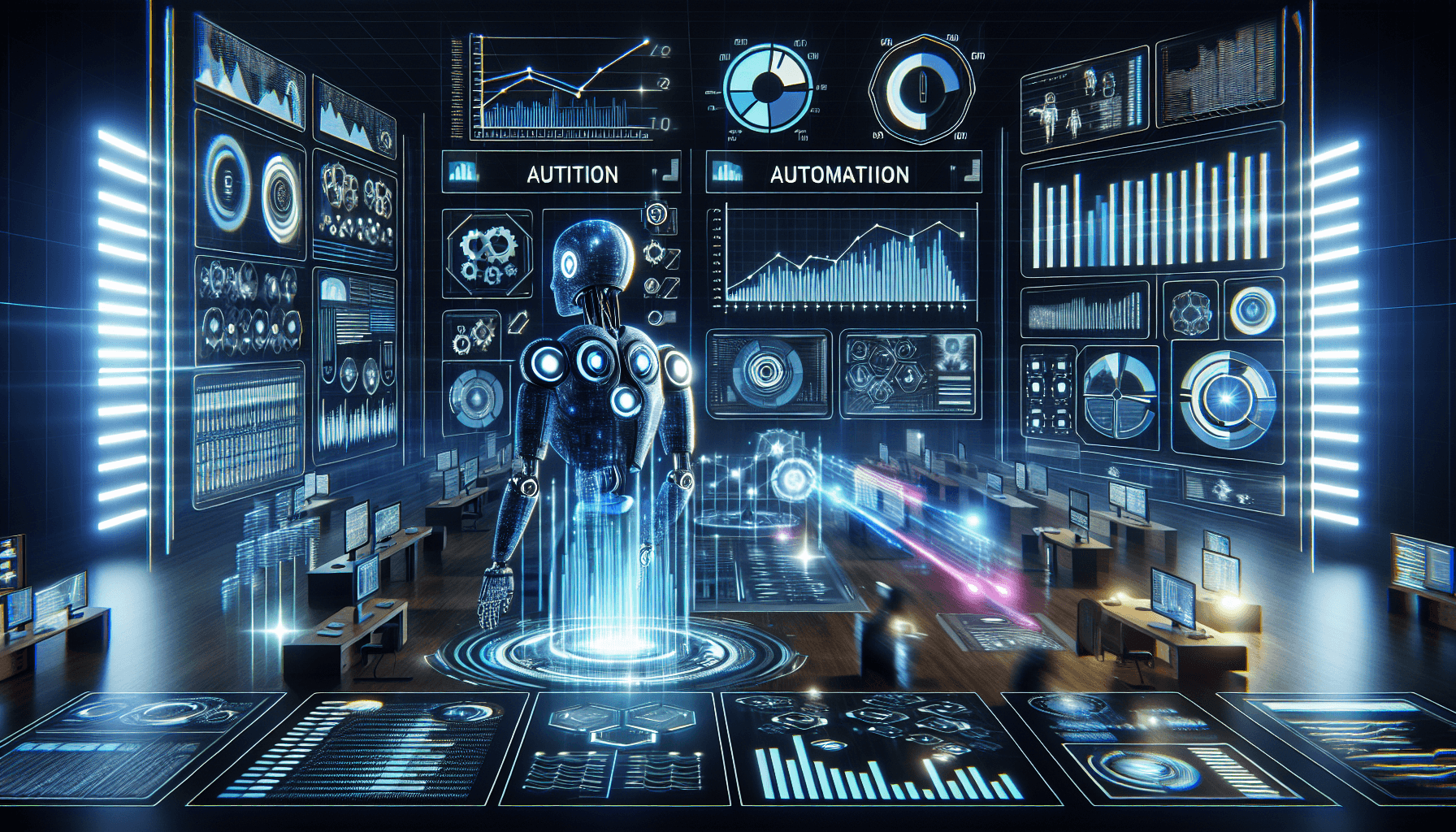
The integration of artificial intelligence (AI) into audit practices is rapidly transforming the accounting industry, and the Big Four accountancy firm PwC is at the forefront of this shift. During a recent briefing held at PwC’s New York office, Shawn Panson, who leads US assurance transformation at the firm, announced that PwC is on course to achieve full end-to-end AI integration across its audit work within the next year.
This ambitious move underscores the broader trend among global professional services firms to harness advanced technology for greater efficiency, accuracy, and insight. By fully embedding AI throughout its audit processes, PwC aims to enhance the quality of its assurance services while streamlining workloads for audit professionals.
(horizontal format)
Artificial intelligence promises significant advances in several key areas of audit. With AI, large volumes of financial transactions can be analyzed rapidly and with remarkable precision, allowing auditors to identify anomalies or risks faster than traditional methods. This means that routine tasks, such as data collection, reconciliation, and preliminary analysis, will be automated, leaving human auditors free to focus on more complex and judgment-based elements of the audit process.
PwC’s technology-driven approach is expected to boost both efficiency and the value delivered to clients. Machine learning and natural language processing will enable more sophisticated analysis of both structured and unstructured data. This capability will empower auditors to uncover deeper insights into a client’s business, resulting in more thorough and insightful audits.
Moreover, AI integration will likely benefit clients by providing real-time feedback and reducing the turnaround time for audit completion. Enhanced data analytics also allows for a continuous auditing model, where risks can be identified and addressed throughout the year, rather than during periodic annual reviews.
(horizontal format)
The path towards complete AI integration does come with challenges, including the need for robust data security protocols and ongoing investment in upskilling the workforce. PwC has indicated a strong commitment to equipping its staff with the digital skills necessary to work alongside AI tools, ensuring that human expertise and professional judgment remain central to the audit process.
As PwC moves toward this goal, the global accounting landscape is likely to evolve in tandem. Clients, regulators, and stakeholders will be watching closely to assess the impact of end-to-end AI integration—not only on audit quality and efficiency, but also on the future role of auditors in an increasingly automated world.
The push toward AI-powered audits marks a significant step in the ongoing digital transformation of the professional services sector. For PwC and its clients, the next year promises to be pivotal as they embrace the opportunities that AI brings to the field of assurance.
(horizontal format)